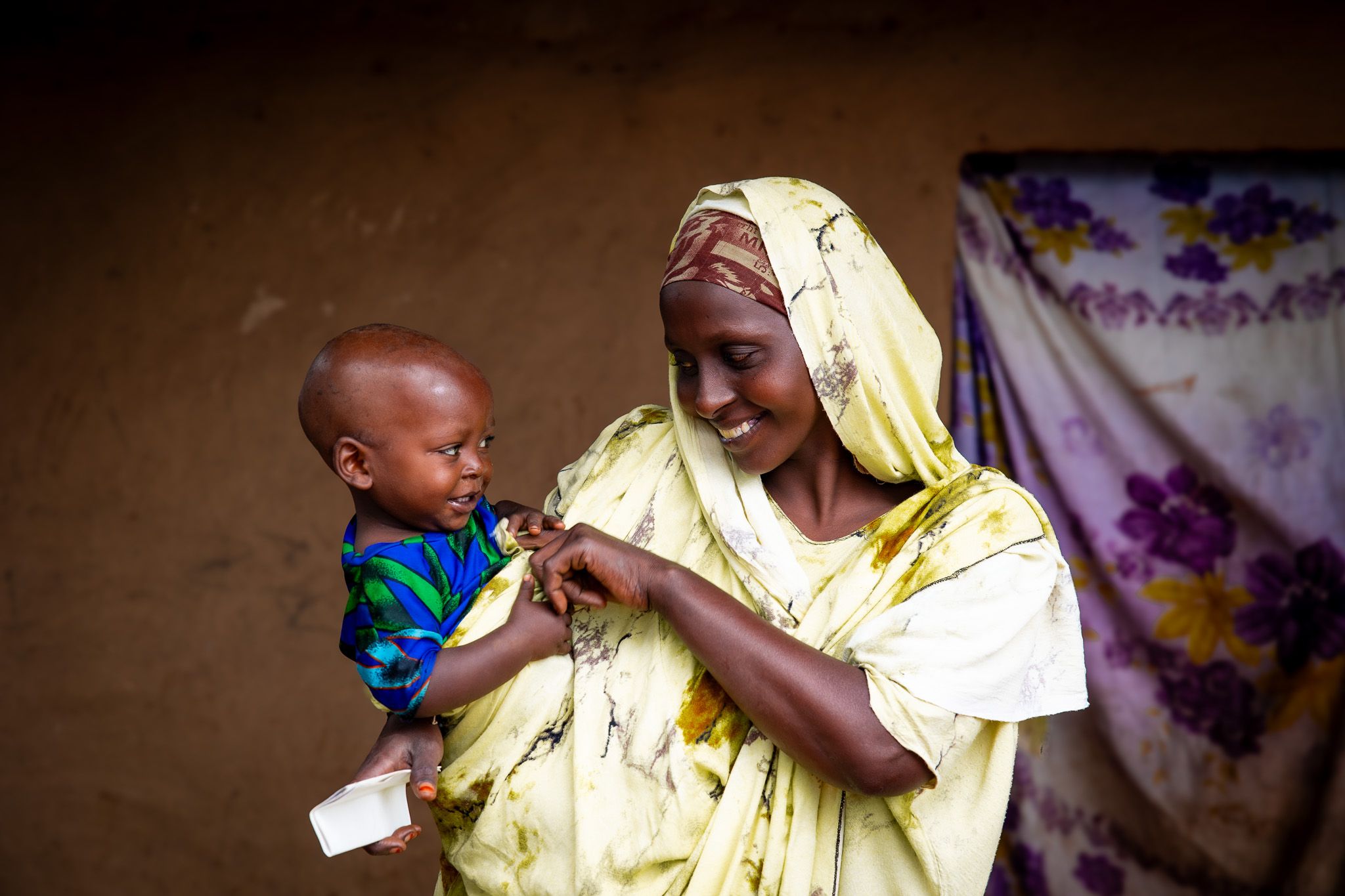
On 27 November 2026, the world marks the first International Day for the Elimination of Child, Early and Forced Marriage. This historic observance is an important milestone in the global effort to end a practice that continues to violate the rights and limit the futures of millions of girls around the world.
Girls who marry before the age of 18 often face barriers to education, risks to their health, restrictions on their autonomy and reduced opportunities throughout their lives. Child marriage undermines the rights of girls and perpetuates cycles of poverty and gender inequality that affect families, communities and societies.
The world has committed to ending child marriage by 2030, in line with Sustainable Development Goal (SDG) target 5.3. This day serves as a reminder that meeting this goal requires more than commitments: it requires action informed by evidence.
Why are data important?
Data play a critical role in accelerating progress. They help us understand the scale of the problem, identify the girls most at risk, measure whether progress is being made and hold stakeholders accountable. Data can reveal inequalities across regions and socioeconomic groups, helping ensure that responses are targeted where they are needed most.
Just as importantly, data can keep child marriage visible. Consistent monitoring can strengthen advocacy efforts, support evidence-based policymaking and elevate child marriage on national and global agendas. When reliable evidence is regularly used in public discussions, planning processes and accountability mechanisms, it becomes more difficult for the issue to be overlooked.
Three ways to turn data into action
The Child Marriage Monitoring Mechanism was established to support these efforts by promoting data use, strengthening accountability and fostering action. Through the Child Marriage Data Portal, we aim to make data and evidence more accessible and actionable for all those working to eliminate child marriage. Here are three ways to use it.
1. Track progress and identify where investments are most needed. Explore global trends and SDG progress to see how child marriage prevalence is changing over time, compare progress across regions and identify areas where efforts need to be redoubled.
2. Strengthen advocacy and accountability. Find the country profile for your country and use the data to inform policy discussions, support advocacy campaigns and monitor progress against commitments.
3. Generate localized insights to inform programmes. Download datasets from the data centre to conduct your own analyses, explore disparities and generate evidence tailored to specific policy and programme questions.
As we mark this first International Day for the Elimination of Child, Early and Forced Marriage, we encourage all users of child marriage data to look beyond the headline numbers. As well as showing the scale of the issue, data can reveal which girls are being left behind and where progress has stalled. Data can also help us understand the experiences and circumstances of child brides and inform better-targeted investments to end child marriage and chart brighter futures for girls everywhere.